Award-recognised applications for learners roughly six and up—focused on maths, writing, and spelling with classroom-ready reporting and interventions that teachers can actually steer.
Hong Kong lens
Classroom-first, not novelty-first
Hong Kong primary panels balance foundation skills with rising diversity in learner needs; structured practice tools help level the floor without lowering expectations.
Schools supporting NCS learners and varied home-language backgrounds benefit from multisensory literacy routines that classroom teachers can monitor consistently.
Parents expect transparency; detailed reporting helps schools explain progress in plain language during interviews and open days.
Programmes at a glance
The Schools portfolio is deliberately child-centred: sensory-rich practice, paced progression, and professional visibility for educators who handle hundreds of learners each week.
Adaptive numeracy
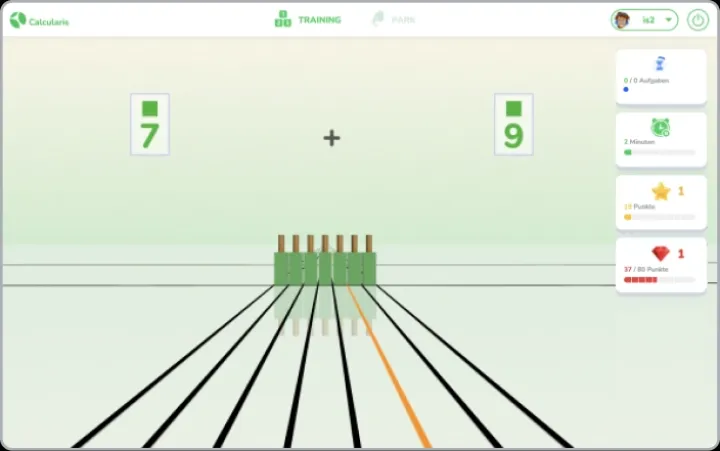
Practice operations across number ranges with visual models—blocks, colours, digits—so learners build internal number sense, not only speed drills.
Writing & orthography
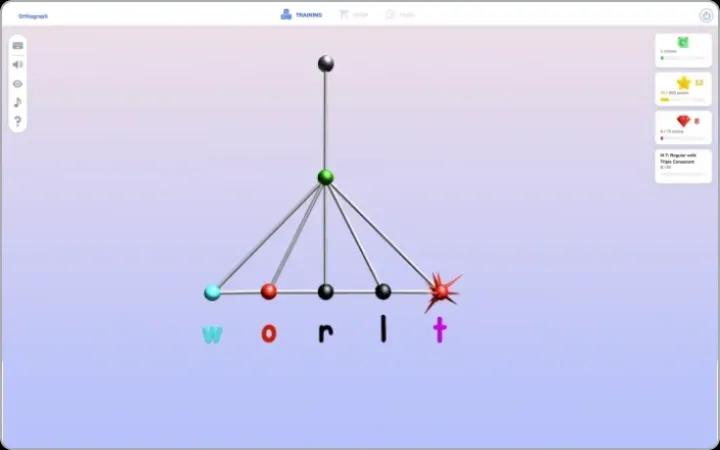
Train spelling and handwriting automation using auditory and visual channels, helping learners connect speech to print with structured progression.
Phonics pathways (where offered)
Stepwise spelling acquisition for languages that benefit from explicit phonics—useful where schools run dedicated streams.
Writing Lab
Younger learners move from ideas to published pieces with scaffolding that keeps creativity and language growth together.
Teacher-grade visibility
Progress views and coaching hints help form teachers intervene early—whether in class, as homework, or in intervention groups.
Motivation that respects pedagogy
Gamified elements and rewards are tuned to sustain effort without replacing sound teaching—especially across long school years.
Structured programmes fit everyday panels—devices support teaching, not replace it.
Flagship programmes: Calcularis & Grafari
Two evidence-led strands anchor many primary deployments—one for mathematics fluency, one for spelling and literacy—with shared classroom tooling. Summaries below reflect how schools typically use them; ask us for demos, licensing, and implementation detail.
Calcularis
Maths confidence from early years through roughly Grade 4–equivalent bands
Built on neuropsychology-informed interaction design: learners manipulate quantities, see operations visually, and build automaticity without skipping conceptual grounding. Published efficacy research and classroom awards are part of the programme's story overseas—useful when governors ask for more than marketing claims.
Structured for early numeracy through roughly upper-primary ages: addition, subtraction, multiplication concepts and more—often via interactive manipulatives (blocks, number lines, animated scenes) rather than drill-only worksheets.
Multisensory design (colour, shape, motion, 3D-style representations) supports learners who need alternative pathways to automate number facts—including those at risk of dyscalculia.
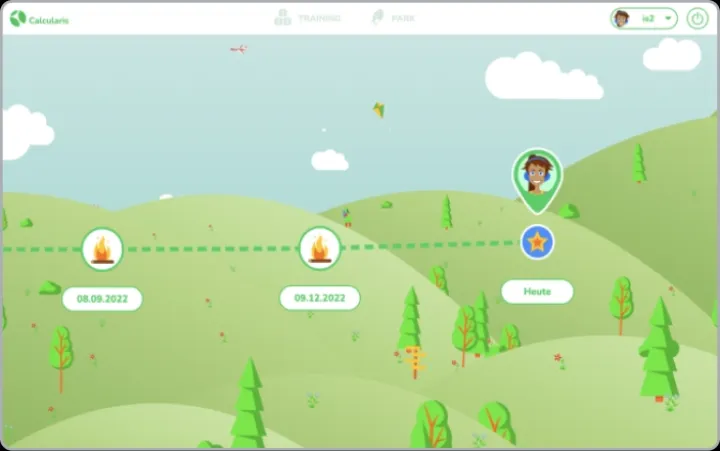
Adaptive paths respond to mistakes and pace so practice stays in the productive struggle zone; learners also see their own progress to stay motivated.
Teachers get concise reports and class views so intervention stays evidence-led instead of guesswork.
In Hong Kong, Calcularis fits enrichment and intervention alike—homework-friendly, Cantonese/English-medium classrooms included—because the UI leans on visuals over dense prose.
Grafari
Spelling, orthography, and literacy automation at scale
Grafari treats spelling as a trainable skill with multisensory scaffolding—similar in spirit to structured literacy approaches panel teachers already recognise. Large curated word corpora (thousands of entries in regional editions) reduce the burden of building ad hoc lists per unit.
Literacy and spelling built on multisensory cues—colour, structure, sound, and pattern—so orthography becomes easier to internalise, including for learners with dyslexia / LRS-style profiles.
Tasks span letter–sound mapping, dictated spelling, self-correction prompts, and vocabulary-rich word lists aligned with curricular word banks (where regions publish them).
Rewards and a visible progress arc keep voluntary practice sustainable; an optional companion figure can guide younger learners through tasks.
Pairs naturally with extended writing programmes (for example story drafting with revision loops) when schools want spelling support and composition in one roadmap.
For Hong Kong schools, Grafari complements English-medium spelling pathways and can support learners whose home language orthography differs from classroom English—again with teacher-visible analytics rather than opaque apps.
Coach
One teacher workspace behind both programmes
Both Calcularis and Grafari ship with Coach—the web-facing control room for licences (where your procurement model allows), groups, settings, and reporting. That matters in Hong Kong schools where IT and panel leads want a single approval story for interventions and trials.
One dashboard for class overview, groups, and per-learner drill-down—whether you are running numeracy or literacy rotations.
Adjust settings and spot who needs a conversation versus who simply needs more reps.
Progress views keep interventions evidence-led for panel leads and form teachers.
See it in your Hong Kong context
We map products to your timetable, compliance, and integration reality—not a generic overseas playbook.